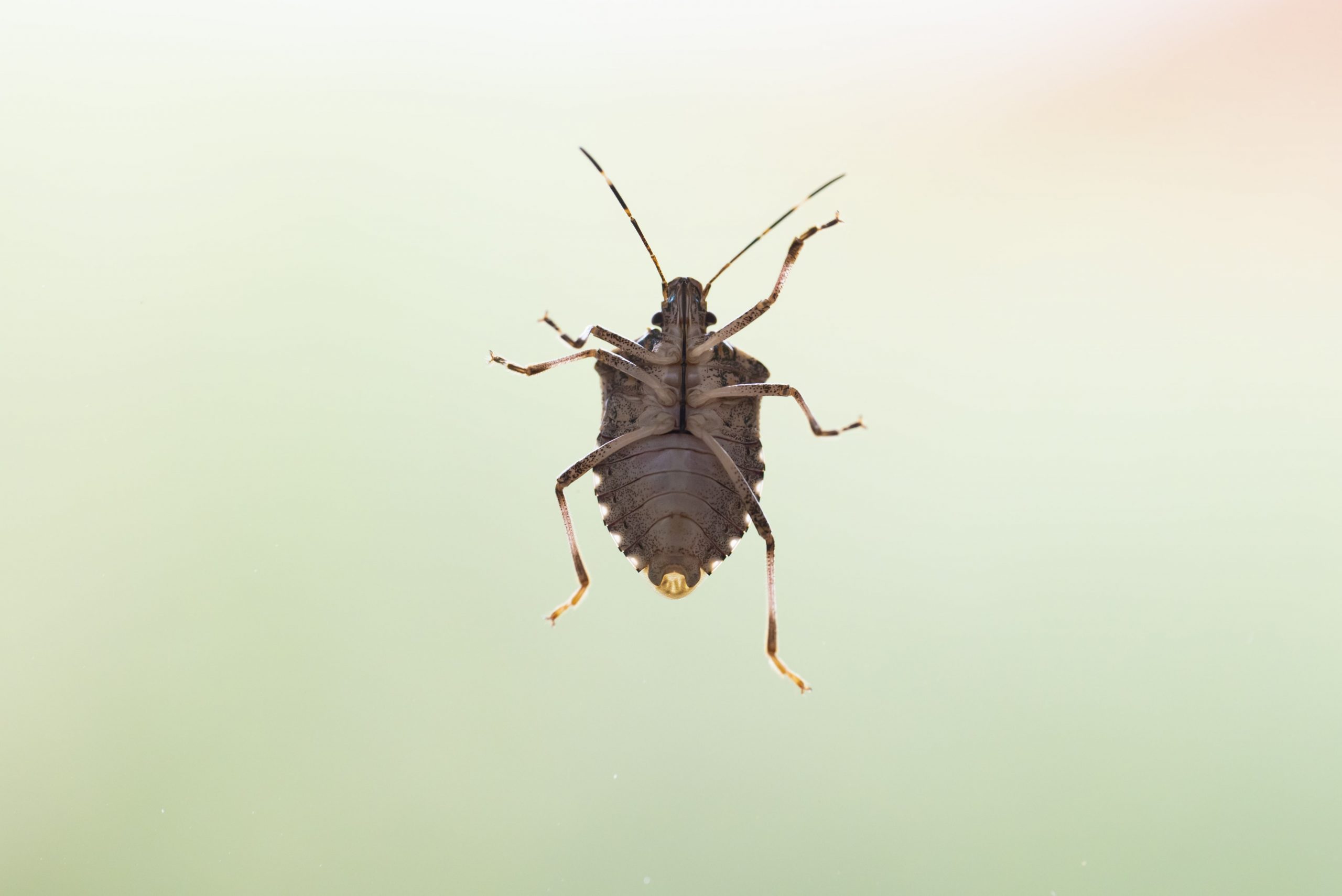
Bed bugs are tiny insects that can cause significant discomfort when they infest sleeping areas. These pests are known for hiding in mattresses, bedding, furniture, and small cracks where they can remain unnoticed for long periods. Foam mattresses and cushions can sometimes become ideal hiding spots because their structure allows bed bugs to settle in small crevices.
When bed bugs invade foam materials, they can lead to itchy bites, disturbed sleep, and frustration for homeowners. Because these pests multiply quickly, early detection and proper treatment are important to prevent the infestation from spreading to other parts of the home. Many people assume foam mattresses cannot be treated, but with the right methods, it is possible to eliminate bed bugs and restore a clean sleeping environment.
Understanding how bed bugs hide in foam materials and learning effective removal techniques can help protect your home and maintain a healthy living space.
Identifying Signs of Bed Bugs in Foam Mattresses
Before attempting to remove bed bugs, it is important to confirm their presence. Bed bugs often leave small reddish or dark stains on mattresses, bedding, or surrounding furniture.
Other signs include tiny shed skins, small eggs, or clusters of insects hiding along seams and folds of foam mattresses.
Within practical health and beauty home hygiene and pest prevention tips, recognizing early warning signs helps prevent the infestation from spreading.
Early detection allows homeowners to act quickly before the problem becomes more severe.
Cleaning and Vacuuming the Foam Surface
One of the first steps in dealing with bed bugs is thorough cleaning. Vacuuming the mattress surface and nearby areas helps remove visible insects, eggs, and debris.
Using a vacuum cleaner with a narrow nozzle allows better access to seams, corners, and small crevices where bed bugs may hide.
Within helpful healthy home living and mattress sanitation solutions, regular vacuuming can reduce pest populations and improve mattress hygiene.
After vacuuming, the vacuum bag should be sealed and disposed of immediately to prevent reinfestation.
Using Heat Treatment to Eliminate Bed Bugs
Heat is one of the most effective methods for killing bed bugs and their eggs. Washing bedding and removable covers in hot water can eliminate pests hiding in fabrics.
Foam mattresses may also benefit from controlled heat exposure or professional heat treatments designed for pest removal.
High temperatures disrupt the bed bug life cycle and prevent them from reproducing.
Heat treatment is commonly recommended by pest control professionals.
Applying Protective Mattress Covers
Encasing foam mattresses in specially designed bed bug covers can help isolate remaining insects and prevent new infestations.
These protective covers create a barrier that traps pests inside and stops them from feeding or spreading.
Within useful health and beauty home hygiene and pest prevention tips, mattress encasements are considered an effective long-term prevention method.
Keeping mattresses protected helps maintain a cleaner sleeping environment.
Maintaining a Clean Sleeping Area
A clean bedroom reduces hiding spots for bed bugs and other pests. Regularly washing bedding, cleaning floors, and organizing clutter can limit areas where bed bugs may hide.
Furniture near the bed should also be inspected for signs of infestation.
Consistent cleaning habits help maintain a healthier home environment.
Preventive care is often easier than dealing with a full infestation.
Seeking Professional Pest Control Assistance
If bed bugs continue to appear despite cleaning efforts, professional pest control services may be necessary.
Experts have specialized tools and treatments that can target bed bugs in mattresses, furniture, and hidden areas.
Within reliable healthy home living and mattress sanitation solutions, professional treatments provide comprehensive pest removal strategies.
Professional help can ensure the infestation is fully eliminated.
Conclusion
Getting rid of bed bugs in foam mattresses requires patience, thorough cleaning, and consistent preventive measures. Identifying early signs of infestation allows homeowners to take action before the pests spread to other parts of the home. Vacuuming, heat treatment, and protective mattress covers are some of the most effective ways to eliminate bed bugs and prevent their return. Maintaining a clean sleeping environment further reduces the chances of infestation by limiting hiding spaces for pests. In cases where bed bugs persist, professional pest control services can provide targeted solutions that ensure the problem is completely resolved. By combining proper sanitation practices with preventive care, homeowners can protect their sleeping areas and maintain a comfortable, pest-free environment.
About the Author