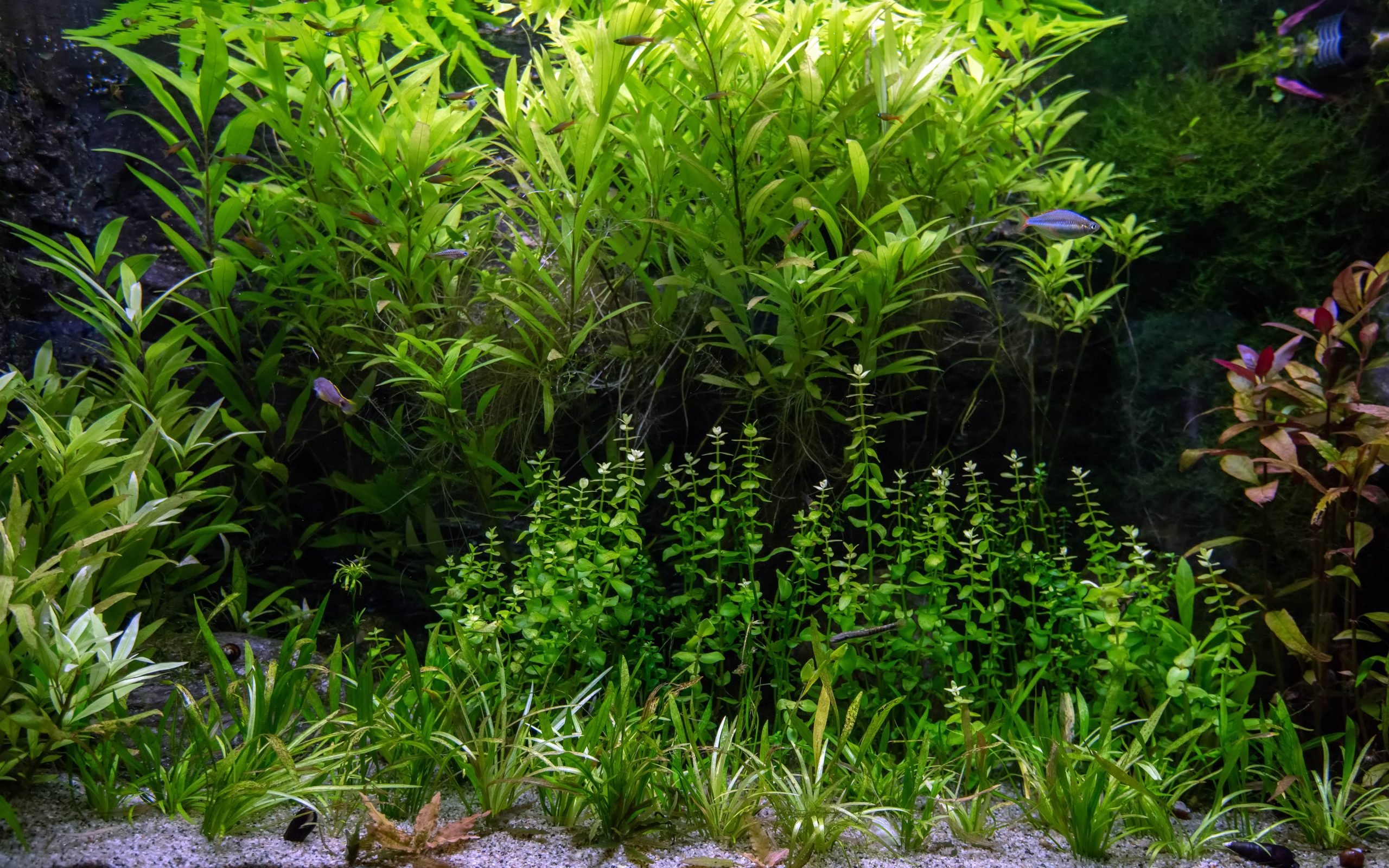
Aquascaping is the art of designing and arranging aquatic plants, rocks, driftwood, and other natural elements inside an aquarium to create a visually appealing underwater landscape. Similar to traditional gardening or landscape design, aquascaping focuses on balance, creativity, and harmony within a confined environment. Aquarium enthusiasts often treat their tanks as living works of art, carefully shaping every element to replicate natural ecosystems or imaginative underwater scenes.
Beyond aesthetics, aquascaping also contributes to a healthy aquatic environment. Proper placement of plants and decorations helps maintain water quality, supports fish habitats, and promotes biological balance within the tank. For beginners, aquascaping can seem complex at first, but with the right knowledge and planning, anyone can create a beautiful and thriving aquatic display.
Understanding the basics of aquascaping allows hobbyists to transform ordinary aquariums into captivating underwater gardens.
Understanding the Concept of Aquascaping
Aquascaping combines creativity with aquatic science. It involves arranging plants, stones, and other materials to create natural-looking underwater scenery.
Aquascapers often draw inspiration from landscapes such as forests, mountains, rivers, and valleys. These elements are carefully arranged to mimic nature within the aquarium.
Within inspiring home and garden aquarium landscaping and aquascaping ideas, the focus is not only on beauty but also on creating a balanced aquatic ecosystem.
Successful aquascaping blends artistic design with environmental awareness.
Popular Aquascaping Styles
There are several aquascaping styles that hobbyists can explore. The nature aquarium style focuses on recreating natural landscapes using plants and stones.
The Iwagumi style emphasizes minimalism, often using a few carefully arranged rocks and low-growing plants.
Another popular style is the jungle aquascape, which features dense plant growth to mimic tropical environments.
Each style offers unique visual effects while maintaining ecological balance.
Choosing the Right Plants and Materials
Aquatic plants are essential components of any aquascape. Popular plant choices include carpeting plants, stem plants, and floating plants.
Decorative elements such as driftwood, rocks, and substrate also contribute to the overall design.
Within practical aquarium hobby inspiration and planted tank design guides, selecting compatible plants and materials ensures a healthy aquarium environment.
Careful selection helps maintain both aesthetics and water quality.
Creating Balance and Visual Depth
Design principles play an important role in aquascaping. Aquascapers often use techniques such as layering plants and arranging stones at different heights to create visual depth.
Placing larger elements toward the back and smaller plants in the foreground helps create perspective.
Balance is essential to prevent the aquarium from looking cluttered or uneven.
Thoughtful composition enhances the natural beauty of the aquascape.
Maintaining a Healthy Aquascape
Maintaining an aquascaped aquarium requires regular care. Proper lighting, nutrient supplementation, and water circulation are important for plant growth.
Routine trimming helps keep plants healthy and maintains the intended design.
Within helpful home and garden aquarium landscaping and aquascaping ideas, proper maintenance ensures that aquascapes remain vibrant and balanced.
Consistent care keeps the aquatic environment stable.
Benefits of Aquascaping as a Hobby
Aquascaping offers more than visual beauty. Many hobbyists find the activity relaxing and rewarding.
Designing underwater landscapes allows individuals to express creativity while learning about aquatic ecosystems.
Within engaging aquarium hobby inspiration and planted tank design guides, aquascaping is considered both an artistic and educational pastime.
The process of building and maintaining an aquascape encourages patience and attention to detail.
Conclusion
Aquascaping is a fascinating blend of art, nature, and aquarium science that allows hobbyists to create breathtaking underwater landscapes within their homes. By carefully arranging aquatic plants, stones, and decorative materials, aquascapers can design visually balanced environments that resemble natural ecosystems. Different aquascaping styles offer unique creative opportunities, from minimalist rock arrangements to lush plant-filled aquariums. Beyond its artistic appeal, aquascaping also supports the health of aquatic life by creating structured habitats and maintaining ecological balance. With proper planning, plant selection, and consistent maintenance, even beginners can successfully transform a simple aquarium into a stunning underwater garden. As a hobby, aquascaping encourages creativity, patience, and appreciation for nature, making it a rewarding activity for aquarium enthusiasts of all skill levels.
About the Author